Advanced Manufacturing Center, University of Maine · 2025
AMC B.O.T. Loft Launch
Go-to-market plan and organic LinkedIn rollout for a $4.5M collaborative robotics training facility that opened with zero audience and seven weeks to build one.
Role
Marketing and Communications Assistant
Timeline
July 1 to August 18, 2025
Channels
Website, Print
Tools
Adobe Creative Suite, LinkedIn Analytics, WordPress
Results at a glance
Click-through rate, fully organic
Engagement rate
LinkedIn impressions in 7 weeks
Followers, starting from zero
Program alert opt-ins before launch
The problem
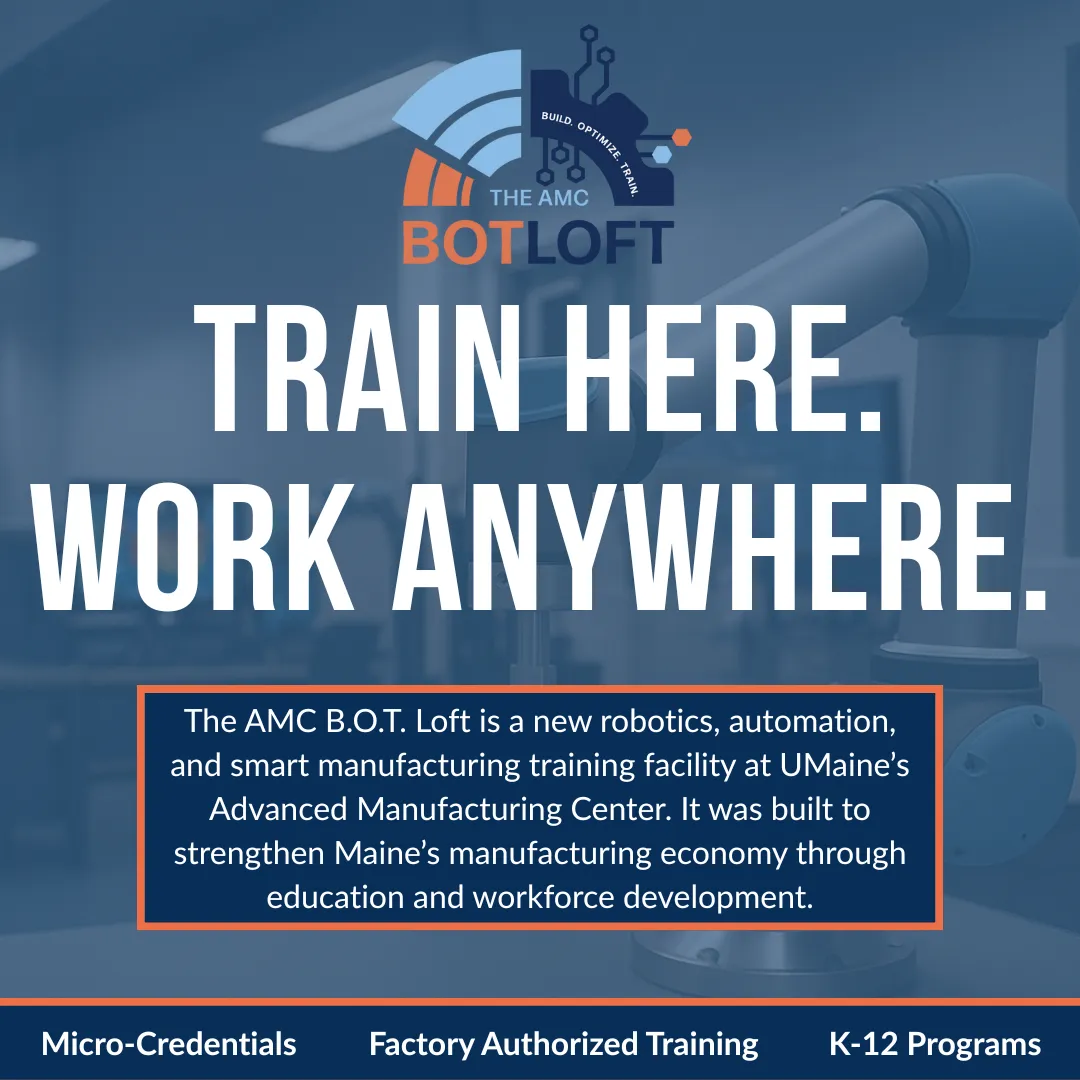
The AMC B.O.T. Loft was a brand new, $4.5M grant-funded robotics training facility at the University of Maine. It had no audience, no LinkedIn following, and seven weeks until its ribbon cutting.
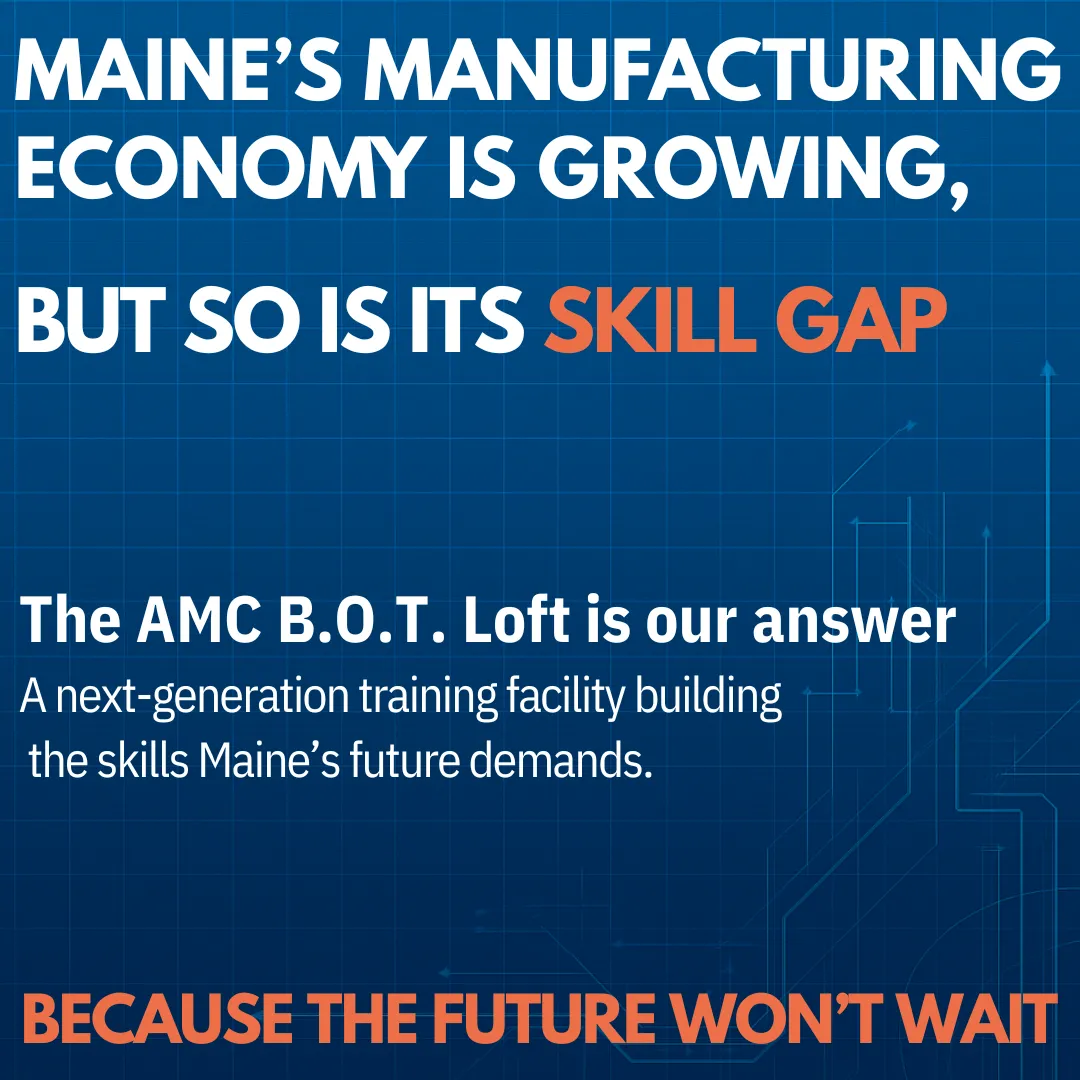
It also had three very different offerings, each for a different audience. The job was to make the facility look credible fast, explain all three programs without confusing anyone, and capture real demand before anything was open.
- Seven-week runway from July 1 to the August 18 ribbon cutting
- Three audiences to reach at once: employers and workforce professionals, industry partners, and K-12 students and parents
- Every asset had to work on LinkedIn, the website, and in print
What I did
I wrote the go-to-market plan, defining target audiences, core messaging, and content pillars. Then I designed and produced the launch assets myself.
One story, three pillars
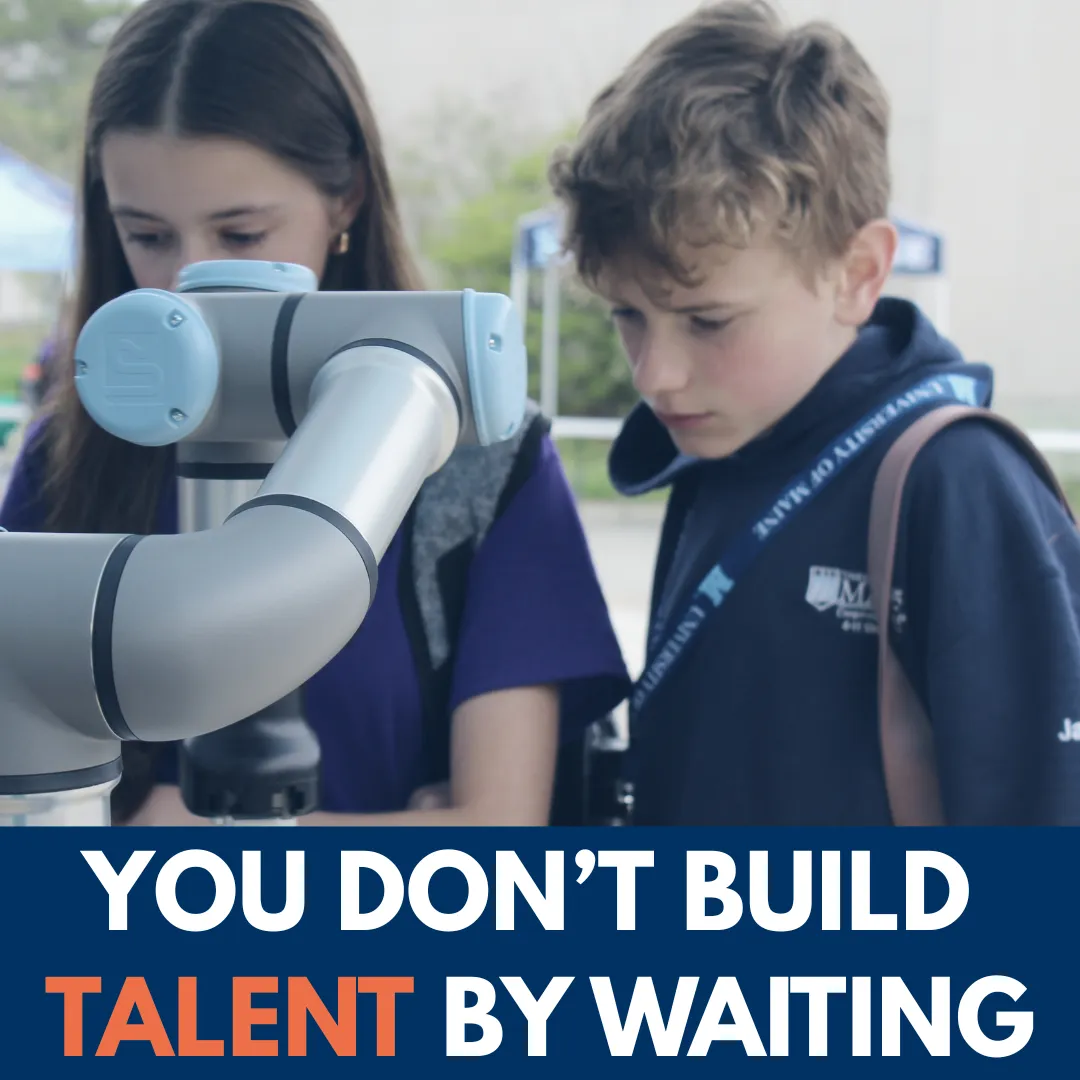
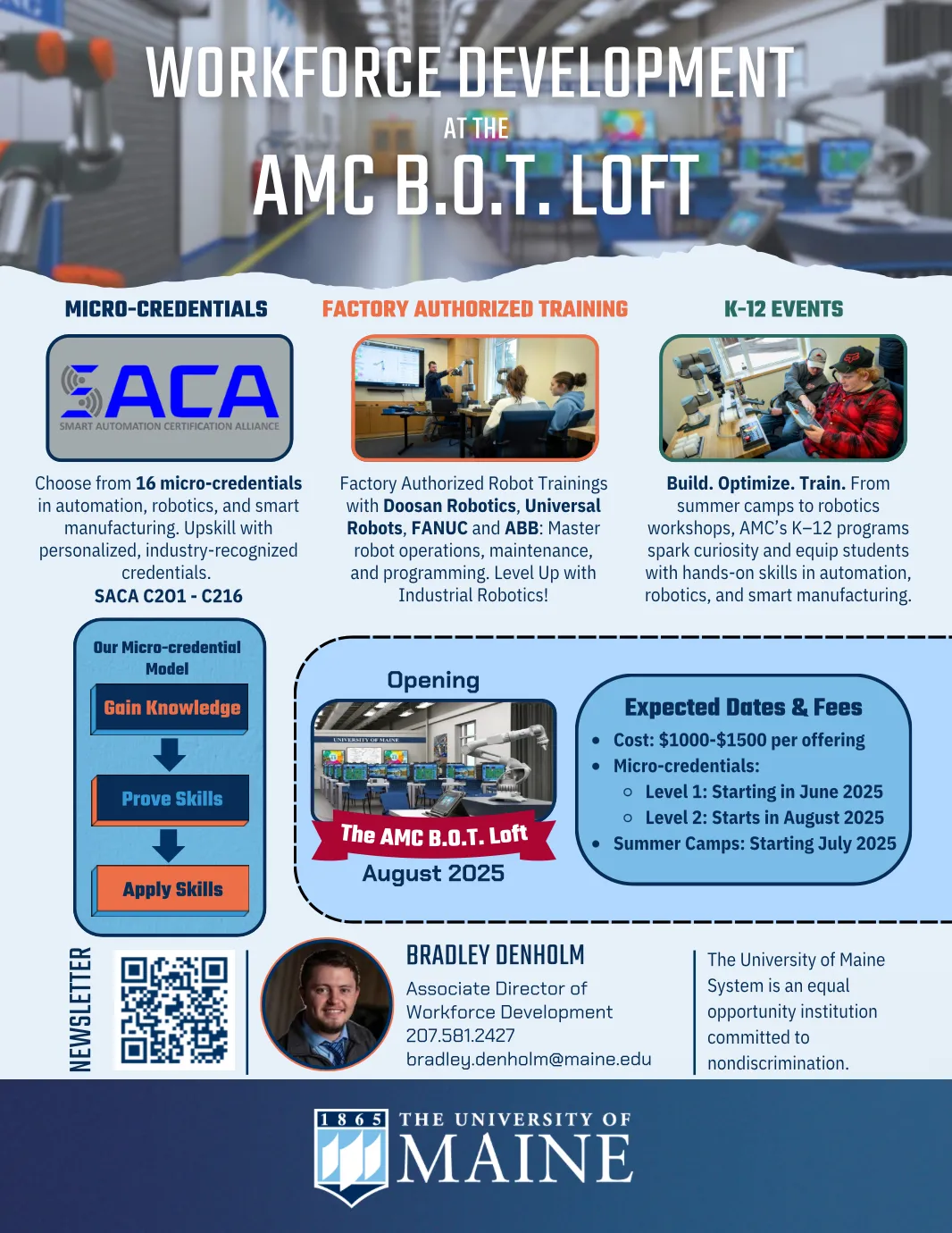
I simplified everything into three pillars: Factory Authorized Training, Micro-credentials, and K-12 pathways. Every post mapped to exactly one pillar and answered the same three questions: who is it for, what does it unlock, and what is the next step.
LinkedIn as the main stage
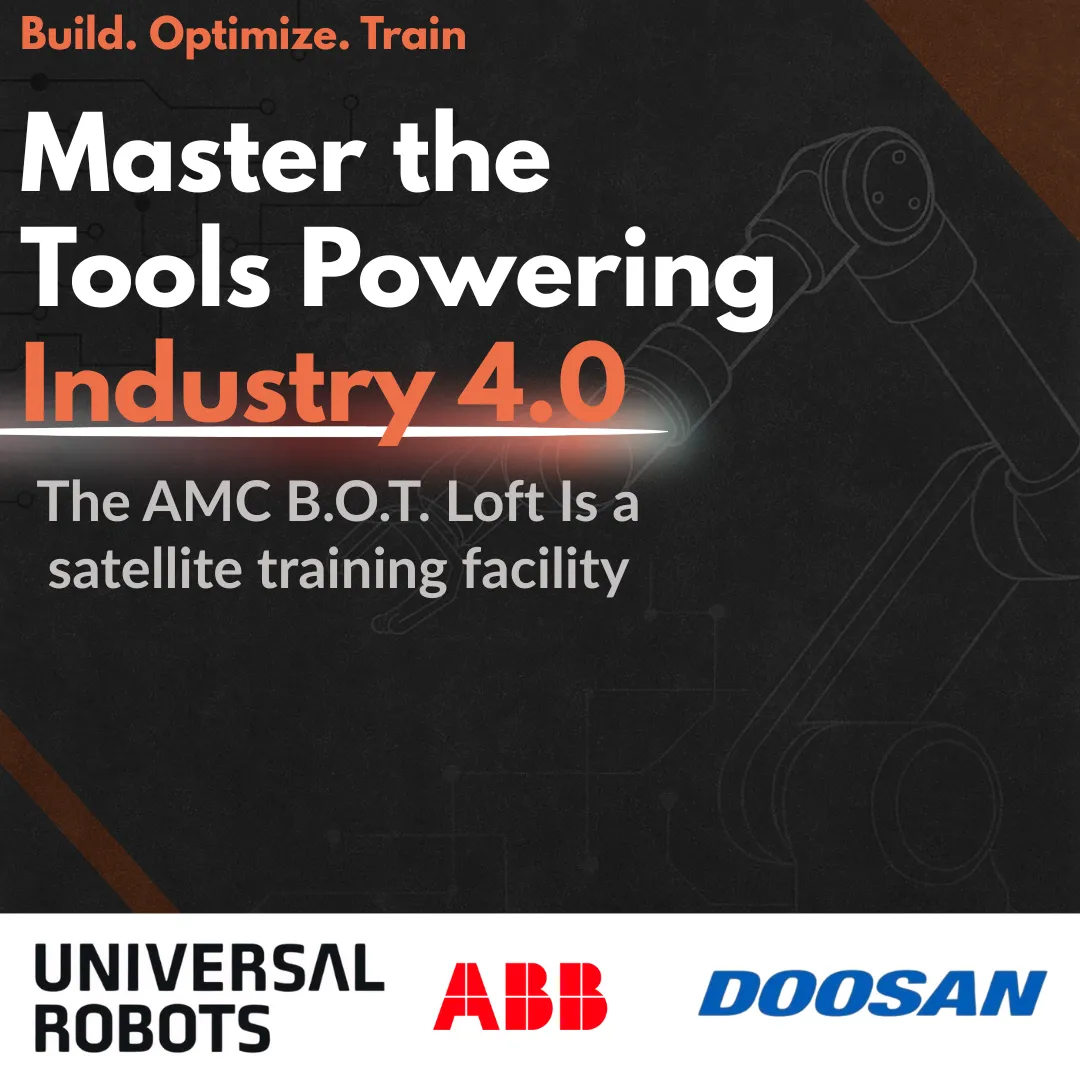
LinkedIn is where workforce professionals, manufacturing leaders, and university partners already were, so it became the primary channel. I built a tiered plan: core posts explained the pillars, credibility posts added partner and facility context, and support posts drove clear next steps.
A low-friction path to demand
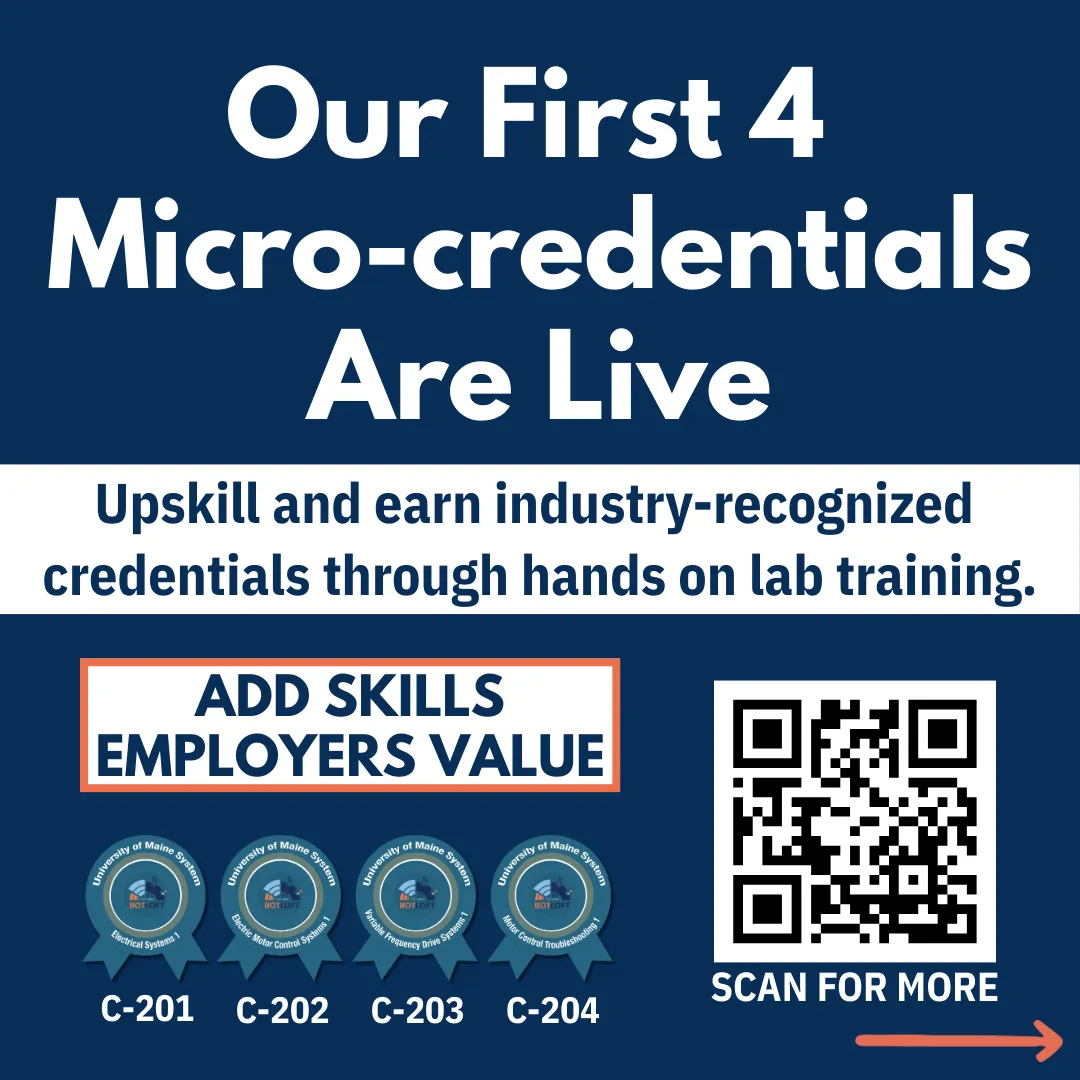
Registrations weren’t open yet, so the goal was qualified intent rather than hard sign-ups. LinkedIn handled discovery, the website handled detail, and program alerts captured demand. A QR code flyer brought print into the same funnel.
A system, not one-offs
Reusable templates for posts, carousels, flyers, and web sections kept everything on message as volume grew. A mid-campaign check on engagement and CTR showed which formats and themes to repeat and which to drop.
The result
Awareness turned into intent. Both engagement and click-through rates landed well above typical LinkedIn performance, which told us the positioning was landing with the right people, and the posts were earning clicks, not just likes.
The page grew from zero to 185 followers, and 46 people opted in to program alerts before launch. That gave the facility a warm audience for every program announcement that followed.
More launch assets
Every asset followed the same system so a brand new page felt established from day one.